 Photograph unavailable offline
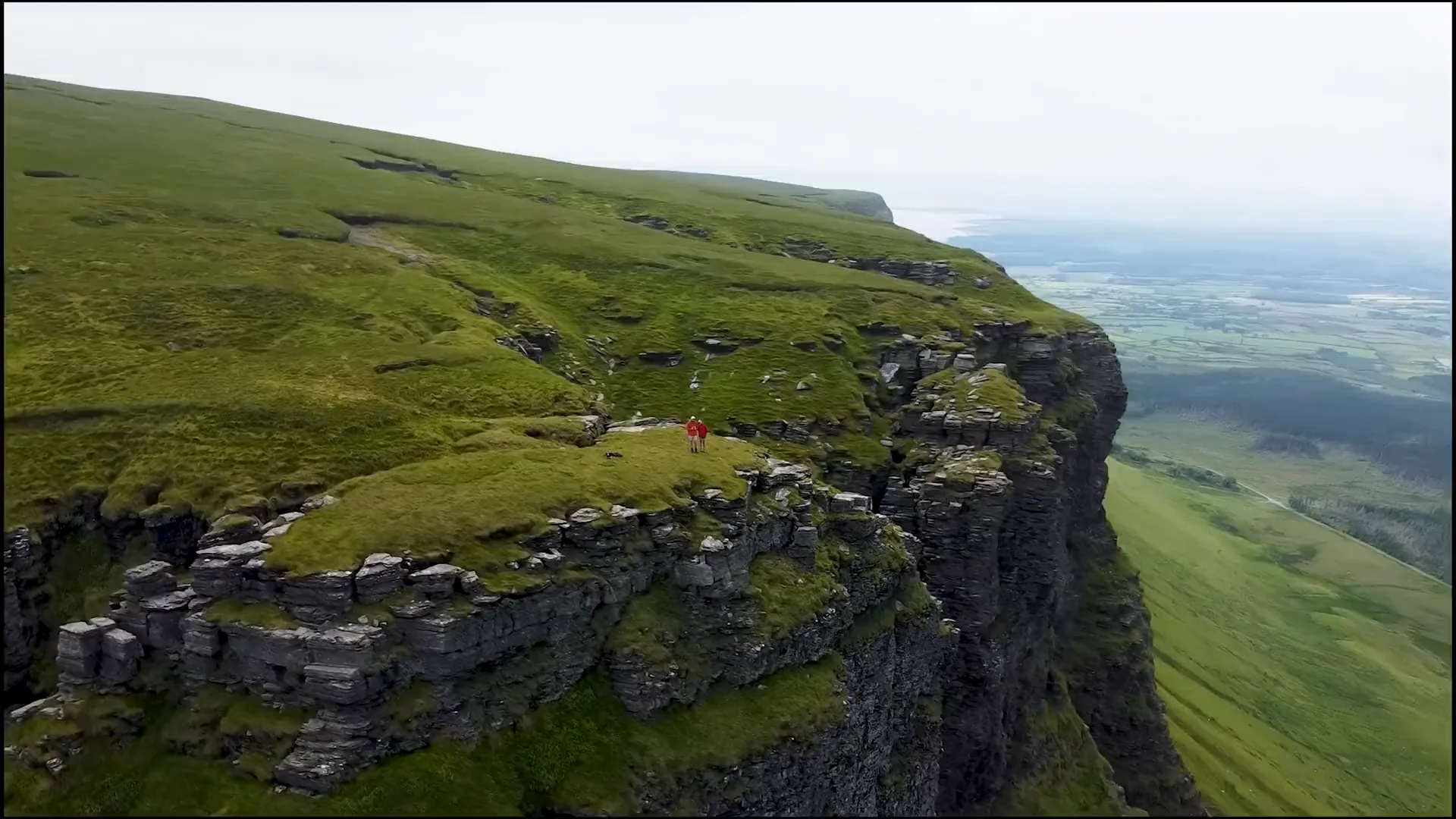
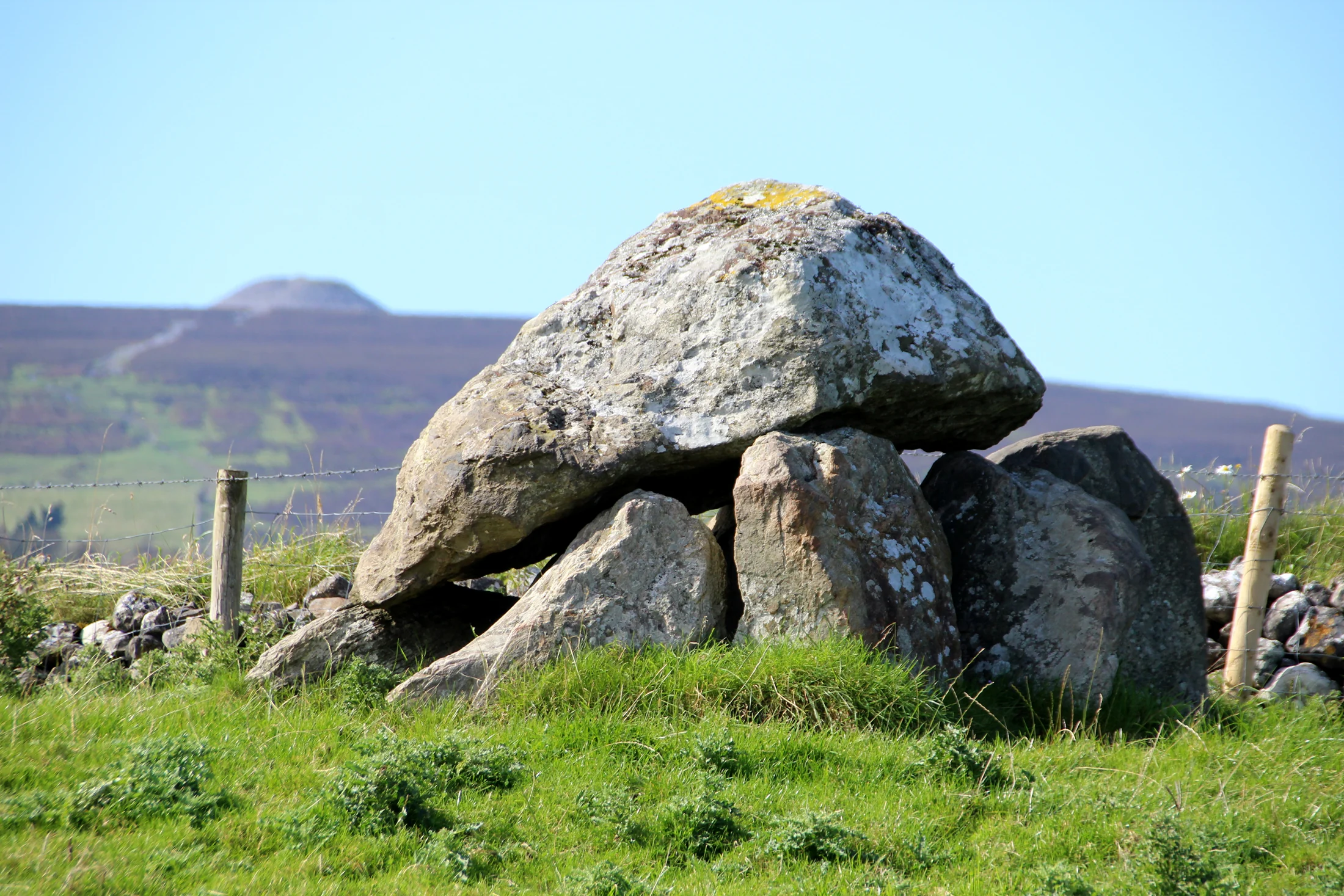
Carrowmore, County Sligo
Page opening
Irish Travellers are not a people who appeared from poverty. We are part of an older Irish story that has never been properly told.
For decades, Irish Traveller origins were reduced to theories created outside the community: people displaced by the Great Famine, poor settled families who took to the road, or a group connected to European Roma. These stories were repeated so often that repetition began to pass for evidence.
The evidence now tells a deeper story. Modern genetics confirms Irish origins, a distinct population history that predates the Great Famine and no particular genetic link with European Roma. Historical and archaeological evidence shows that mobility, seasonal work, cattle culture, kinship and movement between places were normal parts of Gaelic Ireland. Law shows how colonial rule gradually turned movement, shared land, informal work and unauthorised stopping into matters of suspicion and punishment.
Our interdisciplinary approach
TraVision's origins work does not rest on one dramatic claim. We compare evidence across different fields and ask where the lines meet.
- Genetics confirms deep Irish origins and shows that Irish Traveller population history cannot be explained by the Great Famine or by a Roma origin story.
- Archaeology and history place mobile work, seasonal dwelling, horses, cattle, craft and kin-based movement inside Irish history rather than outside it.
- Law records the long pressure placed on people whose lives did not fit fixed property, parish control, regulated labour and settled administration.
- Language and oral tradition carry memories and forms of knowledge that official archives often missed or dismissed.
- Family and clan continuity shows that Irish Traveller identity is not only a lifestyle. It is held through kinship, memory, custom and belonging.
- Biology and the microbiome raise new questions about how long-standing ways of life shaped bodies as well as culture.
 Photograph unavailable offline
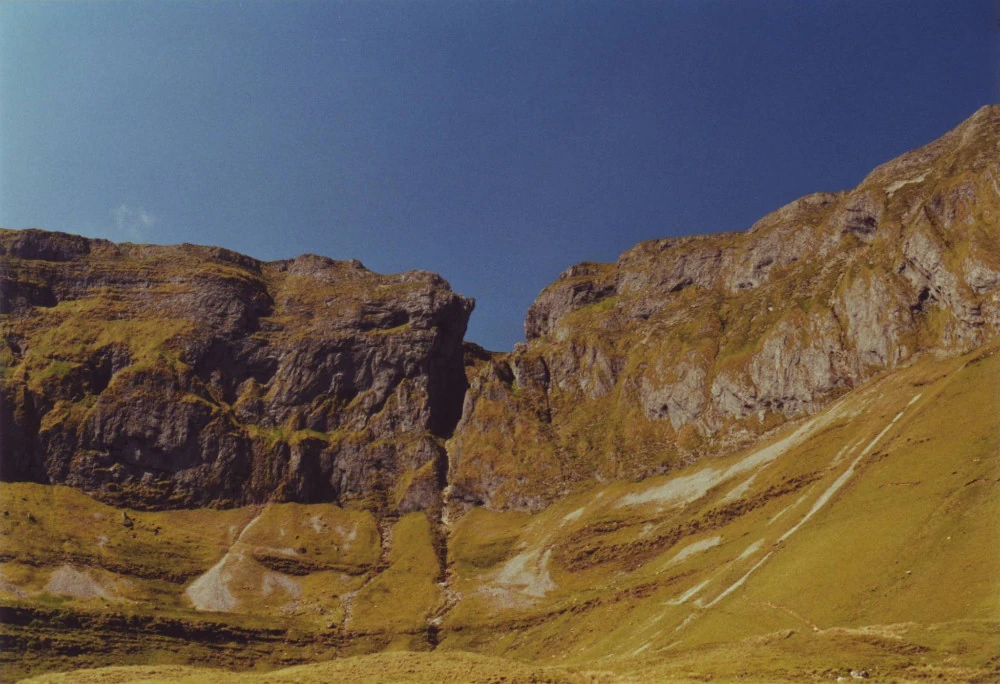
Benbulben, County Sligo
What the genetics does - and does not - say
The 2017 Scientific Reports study, Genomic Insights into the Population Structure and History of the Irish Travellers, confirmed an ancestral Irish origin. It found no particular genetic link to European Roma and placed the distinct Irish Traveller population history before the Great Famine.
Genetics is important, but DNA does not own culture. It cannot tell us the full meaning of Irish Traveller identity, decide who belongs or replace oral history. Its strongest role is to challenge false stories and add one line of evidence to a wider historical account.
Our position
TraVision's researched position is that Irish Travellers carry continuity from Ireland's pre-colonial Gaelic world. We are working to establish that history through a careful combination of community knowledge, published science, archaeology, law, language and historical research. We do not claim that every question is settled. We do claim that the old Famine drop-out story is no longer an honest starting point.
Why origins matter now
A child who is told that their people came from failure inherits shame before they inherit history. A child who learns that their people carry skill, survival, law, language and continuity receives something else: a place to stand.
Origins are not a museum argument. They affect education, mental health, policy, public respect and whether Irish Traveller children see a future that includes who they are.