 Photograph unavailable offline
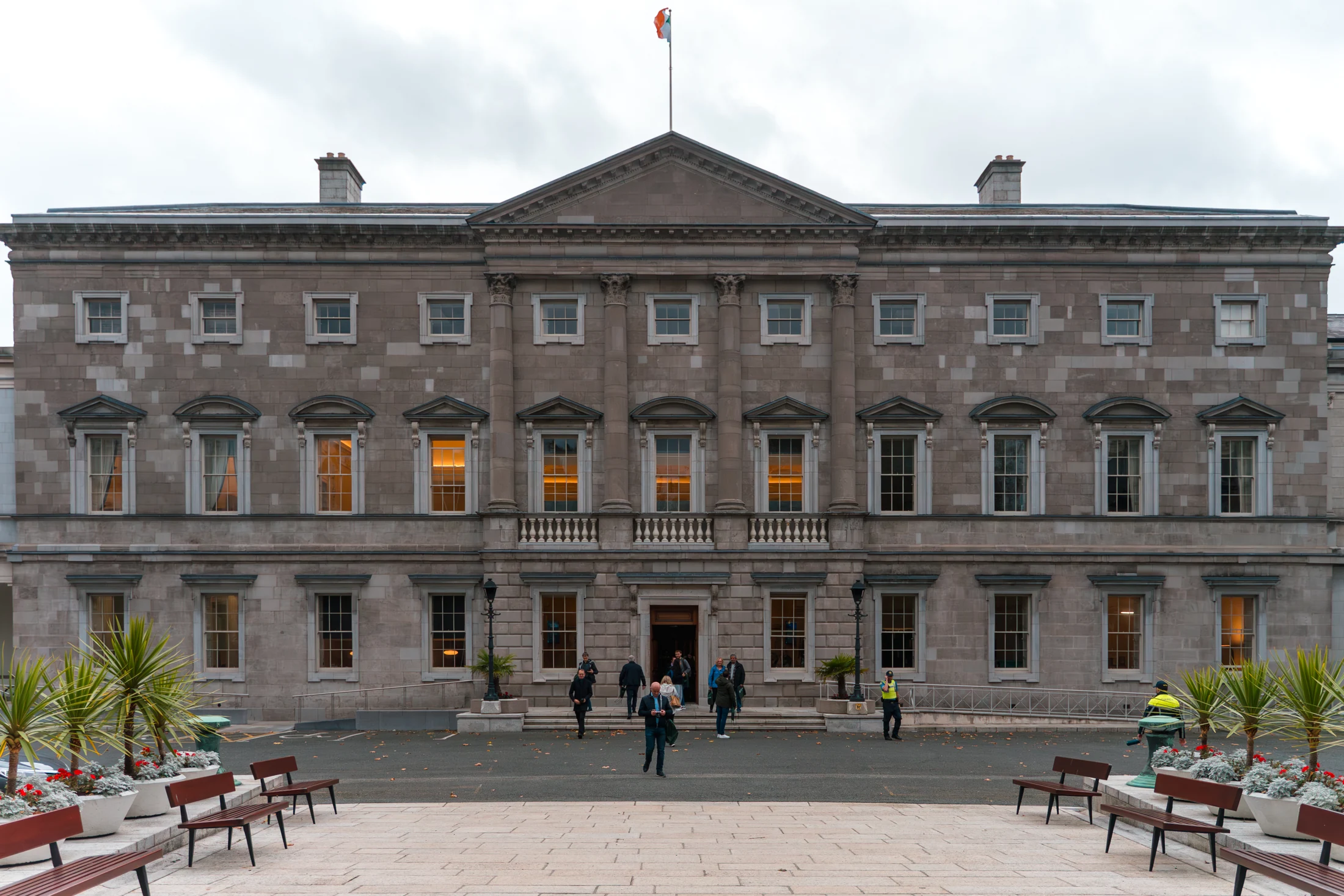
Leinster House, Dublin
An Irish Traveller-led account enters the parliamentary record
On 7 May 2026, the Joint Committee on Key Issues Affecting the Traveller Community held a public session in Leinster House on Irish Traveller identity, the International Convention on the Elimination of All Forms of Racial Discrimination and related matters with TraVision Foundation.
The witnesses were Bernard Sweeney, Founder and Director of TraVision Foundation; Dylan Foley, archaeologist; and Professor Fergus Shanahan, microbiologist. Together, they brought lived Irish Traveller knowledge, history, archaeology and twenty-first-century science into the same parliamentary discussion.
“We have waited 709 years to give it.”
Bernard Sweeney · Joint Committee, 7 May 2026
Why the hearing was different
This was not another discussion limited to services or short-term programmes. TraVision asked the State to look at the foundations beneath the crisis.
- Irish Traveller origins and the weakness of the Famine drop-out story.
- The distinction between Irish Travellers and European Roma.
- Colonial laws and the creation of a settled social norm.
- The survival of older institutions and assumptions after Irish independence.
- The 1963 policy of absorption and its continuing effects.
- Microbiome research and the possible biological consequences of forced lifestyle change.
- The link between identity, colonisation, mental health and suicide.
- The need for multidisciplinary, Irish Traveller-led research and direct funding.
 Photograph unavailable offline
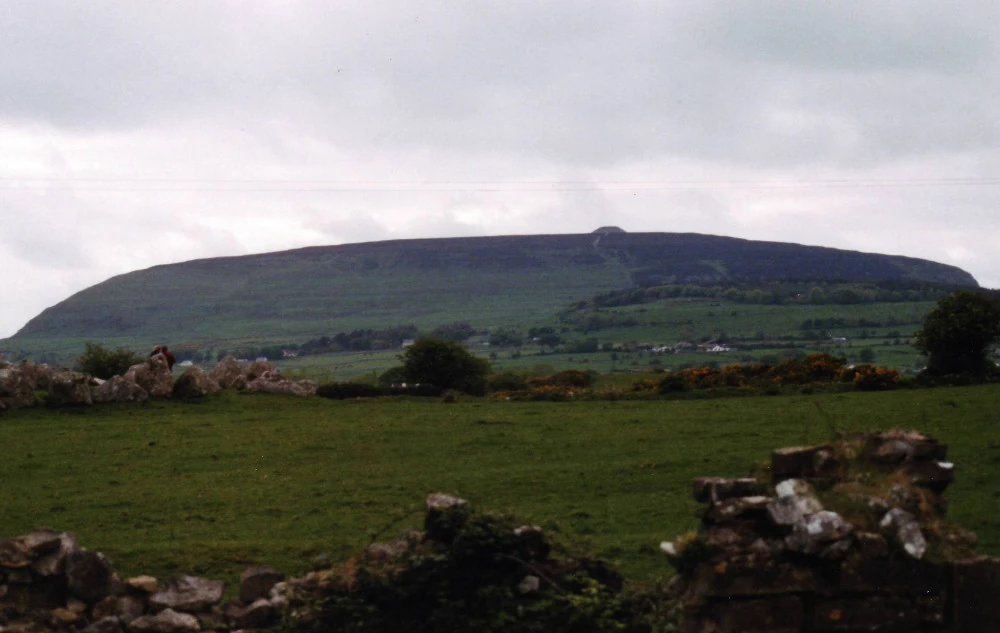
Knocknarea, County Sligo
A first-of-its-kind framework
During the hearing, TraVision explained that no single discipline could account for the full Irish Traveller experience. Archaeology, microbiology, genetics, psychology, psychiatry, law, history and political science had to be brought together. The Committee placed that approach, and TraVision's account of ongoing colonial institutions, on the official parliamentary record.
What happened next
Following the hearing, the Committee supported further contact with relevant government departments. TraVision sought direct discussion, a route for documentary and education work, and a fair funding pathway. The later departmental response identified no available funding.
That outcome exposes a wider problem. Irish Traveller-led work can be welcomed into a national institution, praised and entered into the record, yet still be left without the basic resources needed to employ people and continue. Attendance is not equality. Participation without resources is not power.