 Photograph unavailable offline
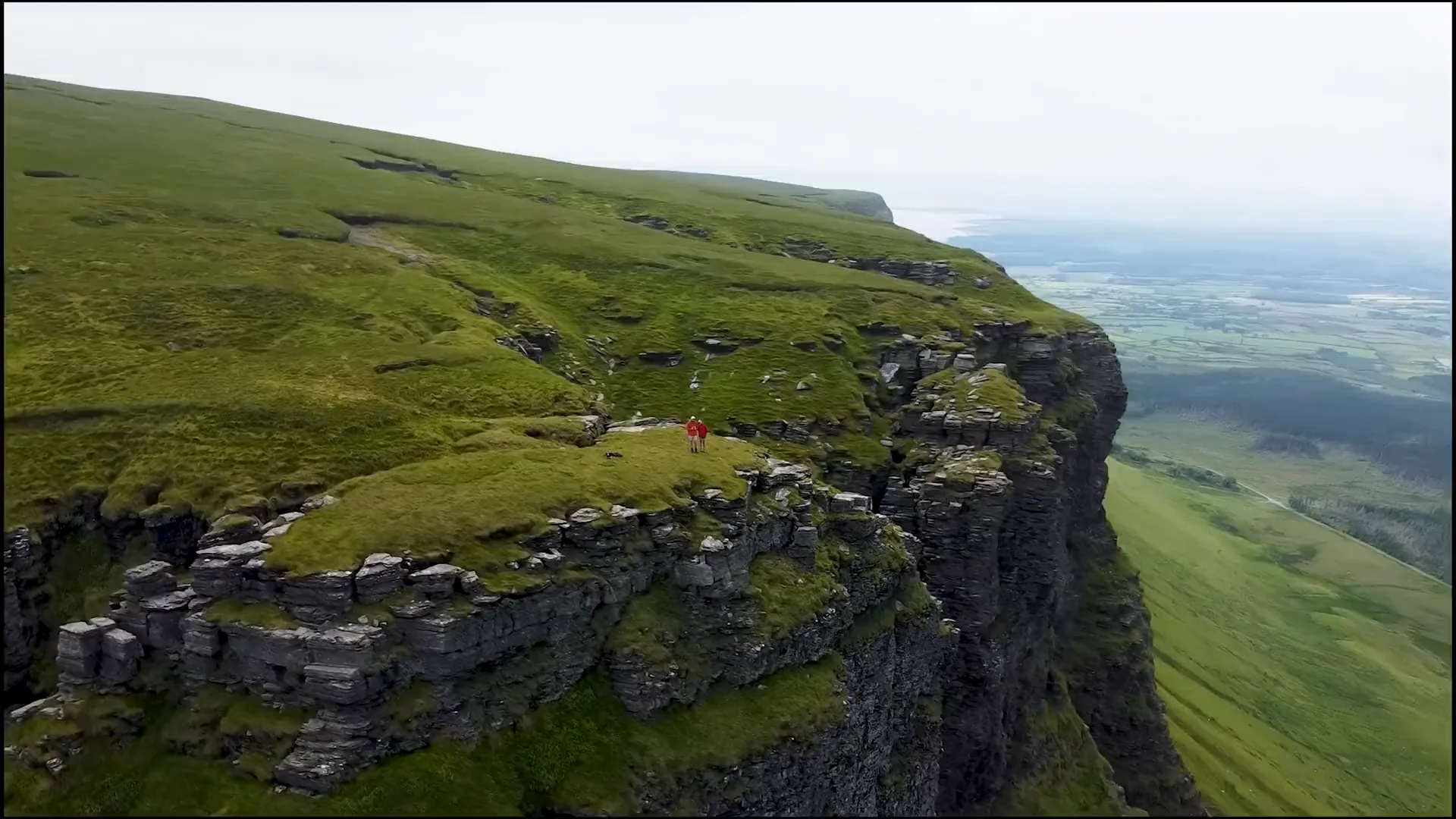
Benbulben, County Sligo
From Sligo to Geneva
In 2019, the people behind TraVision brought the United Nations and an international Indigenous framework into engagement connected with the Irish political process. Seven years later, TraVision Foundation carried that work directly to the nineteenth session of the United Nations Expert Mechanism on the Rights of Indigenous Peoples in Geneva.
The session took place from 13 to 17 July 2026 in the Assembly Hall at the Palais des Nations. TraVision's presence was the first Irish Traveller-led visit of its kind to bring Irish Traveller origins, colonial continuity, health, cultural survival and self-determination into this United Nations Indigenous Peoples setting as one connected case.
What TraVision brought to the United Nations
- Irish Travellers are a pre-colonial people of Ireland with a distinct cultural history.
- Colonisation is not only a question of skin colour. It also works through land, law, institutions, cultural suppression and forced social change.
- The Irish State continued an assimilationist approach, most clearly expressed in the 1963 Report of the Commission on Itinerancy.
- Irish Traveller health and suicide cannot be separated from identity, history, racism and cultural disruption.
- Irish Travellers must be able to speak for themselves within international human rights systems.
- Technology and artificial intelligence must not repeat false history or take community knowledge without consent.
 Photograph unavailable offline
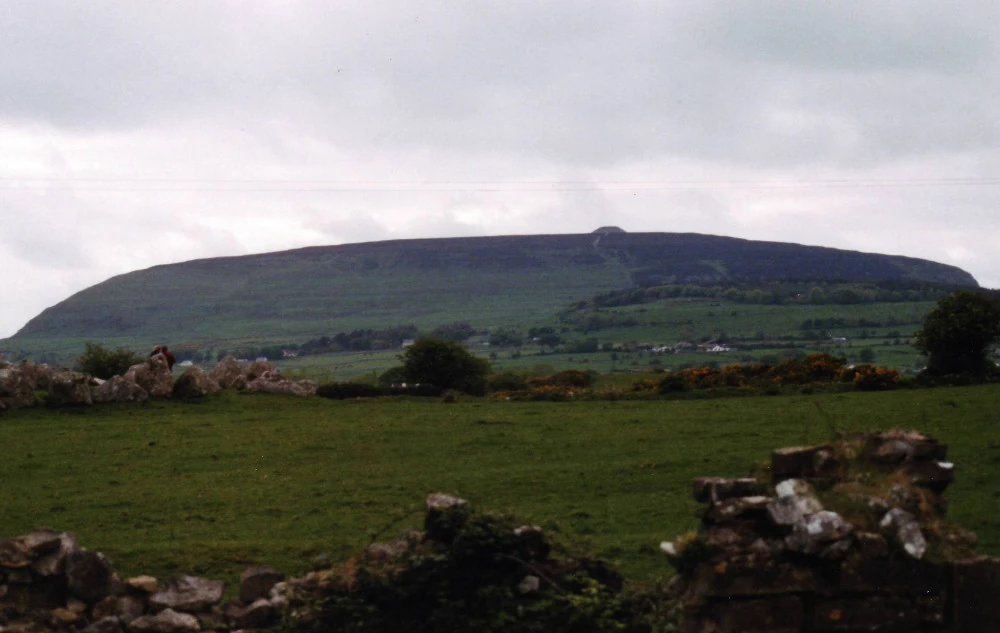
Knocknarea, County Sligo
Our Indigenous position
TraVision advocates recognition of Irish Travellers within an Indigenous framework grounded in pre-colonial continuity, culture, community knowledge and the lived effects of colonial governance. This is TraVision Foundation's researched position and an active human rights objective. It is not presented as recognition already granted by the Irish State or the United Nations.
Our claim does not take identity or rights away from anyone else. It asks for a fuller account of Irish history and a serious examination of the structures that have shaped Irish Traveller life.
After Geneva
Following the EMRIP session, TraVision wrote to United Nations mandate holders seeking joint consideration of the historic and continuing accommodation and assimilation policies imposed on Irish Traveller families. The submission asked whether culturally incompatible living conditions had been introduced without properly examining the physical, psychological, cultural and biological consequences.
This work remains part of a wider effort to move beyond symbolic participation and secure direct international examination of Irish Traveller-led evidence.